


European roulette wheels seat 37 pockets from zero to 36, and the sequence around the rim is fixed by design rather than chance. Understanding that order helps players read the layout, manage expectations, and spot when a digital table is presenting the genuine wheel versus a simplified visual. This guide walks through what matters, what does not, and how to judge a platform before you place a chip.
How the European sequence works
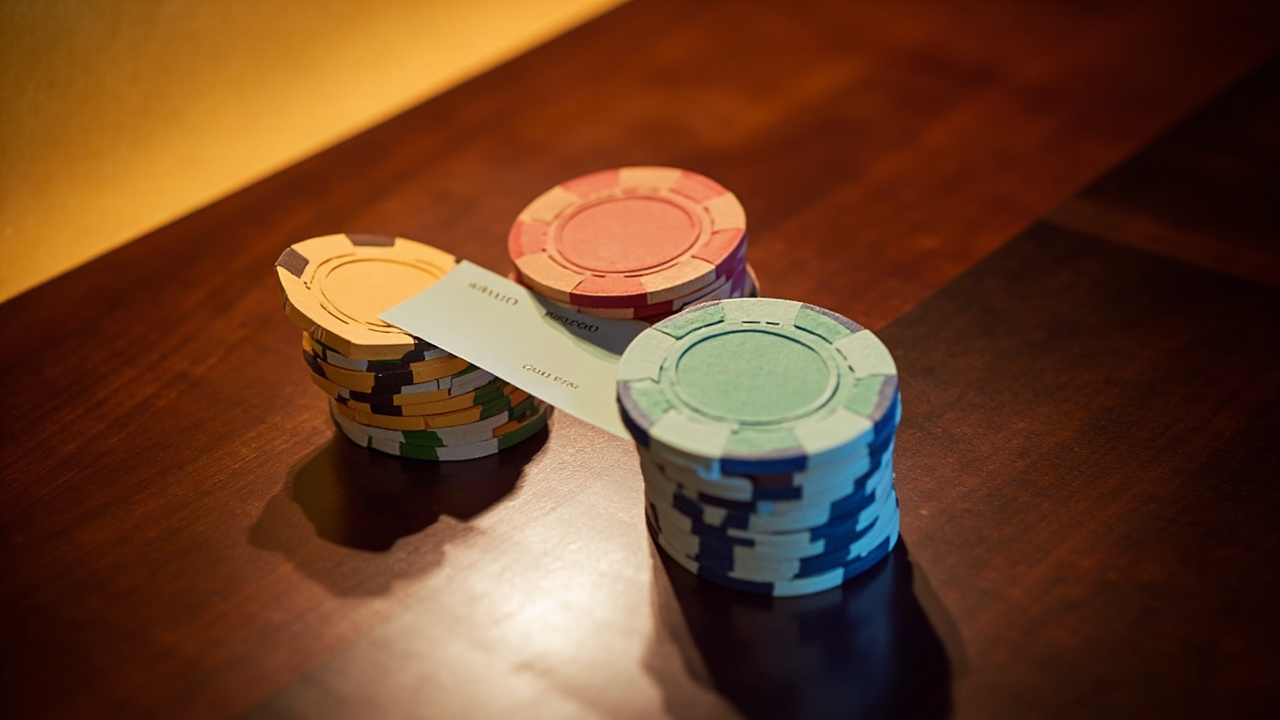
The numbers on a European wheel follow a specific clockwise path that alternates red and black pockets while keeping zero green and isolated. This arrangement is not random; it is engineered to distribute odd and even, high and low, and colour clusters as evenly as possible across the rim. For anyone studying roulette wheel numbers order european, the key point is that the physical sequence differs from the betting table layout, which is why a straight-up bet on a single number still lands where the wheel dictates, not where the grid suggests.
When I look at racing data feeds and wagering screens, I apply the same scrutiny to roulette displays. A product manager’s job is to separate the underlying data from the presentation layer, and that mindset matters here. A wheel graphic that shuffles numbers for visual flair may look polished, but it does not change the underlying random outcome. Players should treat the wheel order as a fixed reference point, not a variable they can read for patterns.
Practical note for Melbourne locals: a quiet arvo at a licensed venue often means the physical wheel is the only version you see, and the sequence there matches the standard European order used across most regulated markets. The digital version should mirror that same sequence if it claims to run European rules.spin samurai review
Reading the wheel with out chasing patterns
The European sequence runs zero, 32, 15, 19, 4, 21, 2, 25, 17, 34, 6, 27, 13, 36, 11, 30, 8, 23, 10, 5, 24, 16, 33, 1, 20, 14, 31, 9, 22, 18, 29, 7, 28, 12, 35, 3, 26. That order is the backbone of every genuine European wheel, and it is the sequence you should expect when a product claims to offer the classic single-zero game. The alternating pattern is deliberate, but it does not create predictable runs; each spin is independent, and the wheel order simply describes where each pocket sits, not what comes next.
When evaluating a platform, I check whether the wheel animation and the underlying random number generator are presented as separate layers. Good design makes that distinction clear, because a player should understand that the visual sequence is descriptive, not predictive. A credible product does not imply that the rim order gives any edge; it simply shows the standard layout honestly.
For a deeper look at how a site presents its tables, payouts, and localisation, read our spin samurai review, which breaks down interface clarity and how the wheel is displayed alongside the betting grid.
A short process for checking a roulette table before you play:
- Confirm the game is listed as European single-zero, not American double-zero.
- Verify the wheel graphic shows 37 pockets with a single green zero.
- Check that the table layout matches the stated rules for red, black, odd, even, and number groups.
- Read the paytable and rule notes for any special house-edge variations.
- Start with a small stake to confirm the interface, bet slips, and result history behave as expected.
Who this suits and who should look elsewhere
Players who value a straightforward single-zero game with a lower house edge than the American variant will find the European sequence familiar and consistent. The wheel order itself is not a strategy tool, but it does give you a clear reference for understanding where chips land and how the table maps to the rim. If you prefer games with predictable rules and a standard layout, this is a sensible fit.
If you are chasing patterns in the rim order or treating the sequence as a forecasting tool, this format will not deliver that. The sequence is fixed by design, and the outcomes are independent, so the wheel order should be treated as a structural fact rather than a signal. Players who want faster-paced variants, side bets, or different rule sets may prefer other table styles instead.
For Australian adults 18 and over, the practical question is whether a platform presents the European wheel honestly, labels the rules clearly, and keeps currency and language consistent with local expectations. A well-built product makes those details obvious, because clarity matters more than polish when real money is on the line.
A solid European table the company's resource should feel familiar from the first spin, with the wheel order matching the standard sequence and the betting grid laid out without ambiguity. If a site obscures the rules, mixes variants, or presents a wheel that does not match the stated game type, that is a sign to slow down and re-read the table details before committing.